
Analytics
From vacuum outgassing to particle measurements and chemical contamination analysis – we offer comprehensive analytical services for the highest purity requirements.
Vacuum Outgassing Measurement and Analysis
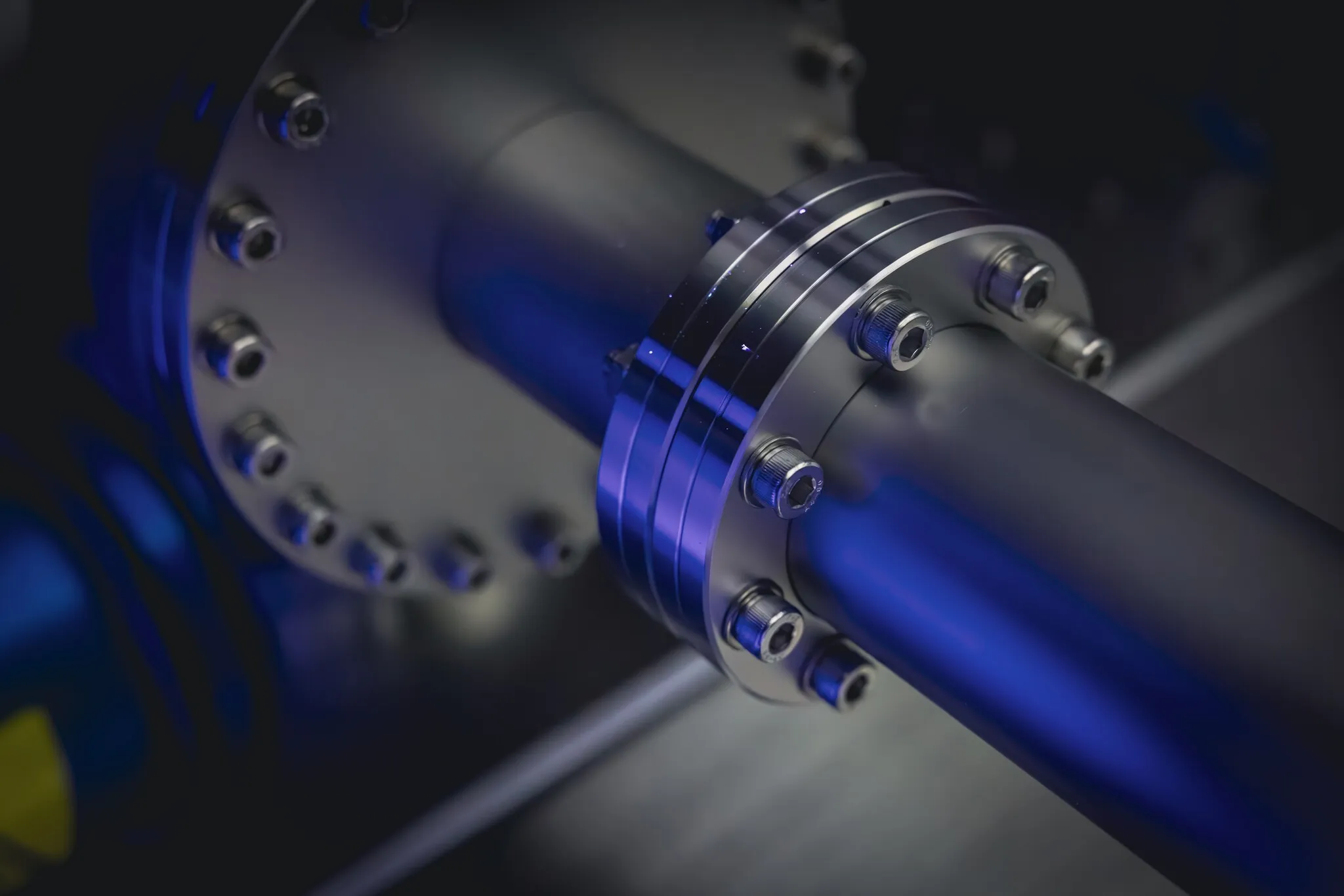
The vacuum outgassing of materials and components can significantly affect the purity and performance of vacuum systems. We conduct in-house outgassing measurements using mass spectrometers to identify potential contamination sources early on.
Precise Analysis through Mass Spectrometry and RGA Spectra
By comparing different measurement electronics and detailed sampling of materials, we create precise residual gas analysis spectra (RGA). This enables long-term substance detection to identify even the slightest traces of unwanted substances in vacuum.
Component Qualification for Outgassing
We specifically evaluate and qualify components for their vacuum outgassing properties. Through comprehensive measurement data analysis, critical components can be identified and specifically optimized.
Consulting on Residual Gas Analysis and Mass Spectrometer Selection
We support our customers in selecting suitable mass spectrometers, their calibration with chemical markers, and optimal integration into existing vacuum systems. Our experts help you find the right measurement technology for your specific application.
Advanced Analysis Methods for Maximum Precision
Whether particle measurement, chemical analysis, or optical inspection – we have broad expertise in various analysis methods, which we carry out in cooperation with specialized external laboratories and institutes.
Material and Surface Analyses
We work with partner laboratories to perform high-resolution surface and material analyses, including:
- XPS (X-ray Photoelectron Spectroscopy)
- ToF-SIMS (Secondary Ion Mass Spectrometry)
- SEM-EDX (Scanning Electron Microscopy with Energy Dispersive X-ray Spectroscopy)
These methods enable detailed chemical and structural characterization of materials.
Particle Measurements and Purity Testing
For assessing particle cleanliness, we rely on the following methods:
- Particle counters and particle traps
- Wafer exposures for particle control
- White and UV light inspections
These methods help detect contamination early and ensure purity requirements are met.
Additional Analyses with External Partners
If special testing procedures are required, we can carry these out and evaluate them with external support. These include:
- Optical spectroscopy and fluorescence measurements
- High-resolution temperature measurements
- Thermography for heat distribution control
Additional analysis methods can also be provided in cooperation with specialized analytical laboratories.
Airborne Particle Measurement
The control of airborne particles is crucial for maintaining purity standards in cleanrooms and sensitive production areas. We offer particle measurements both in-house and directly at the customer's site.
Comprehensive Particle Measurements per ISO 14644
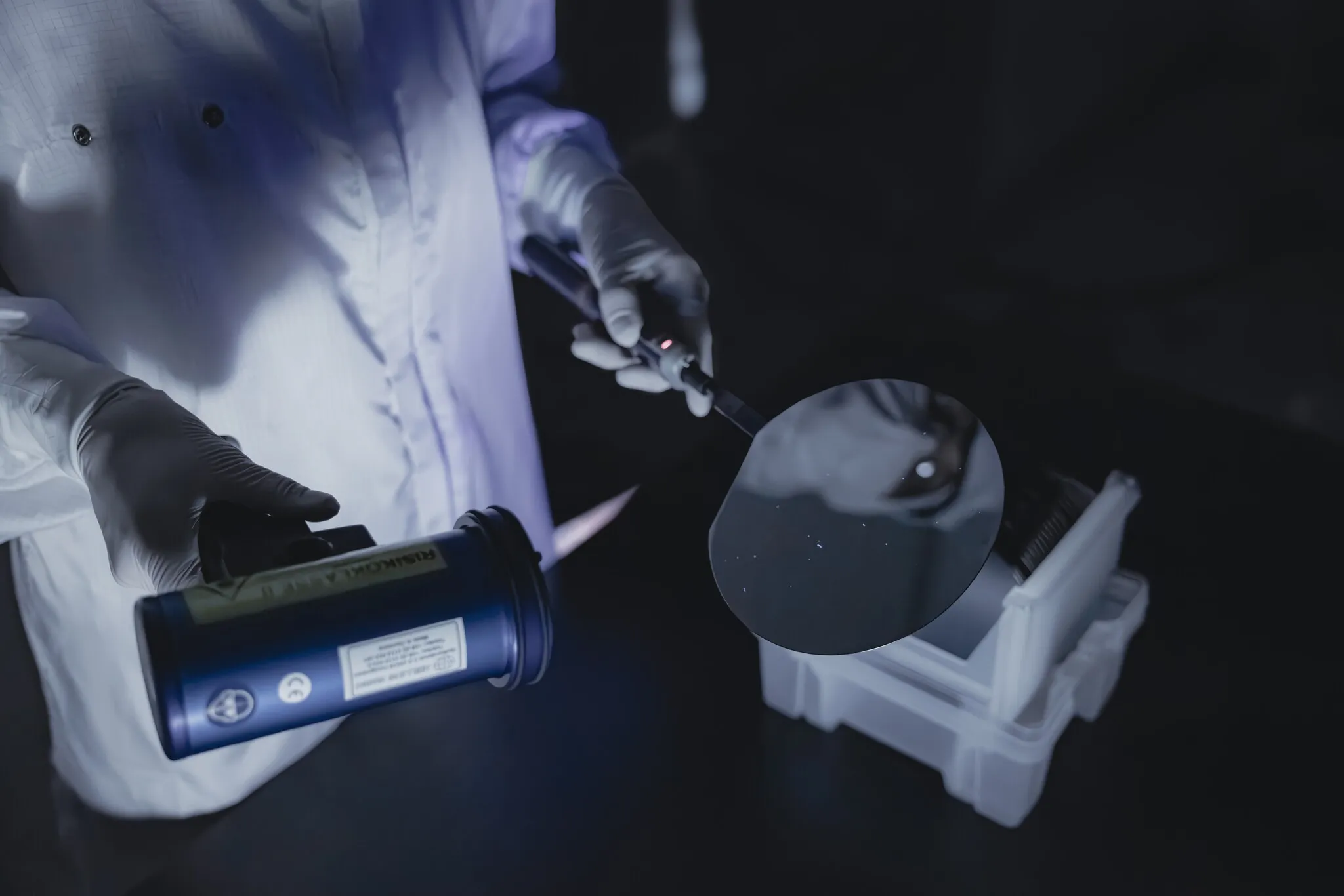
Our measurement methods enable the determination of airborne particles (0.2 – 5 µm) and sedimenting particles (from 5 µm). Measurements are performed according to ISO 14644 for particle sizes from 0.3 – 10 µm to precisely assess air quality.
Flexibility through Mobile Particle Counter
With our mobile particle counter, we are able to perform air and volume measurements flexibly. This allows us to quickly and efficiently identify and evaluate contamination-critical areas.
Particle Determination Methods
For the detection and analysis of airborne particles, we use the following methods:
- Particle counter (Solair 3000) for size determination
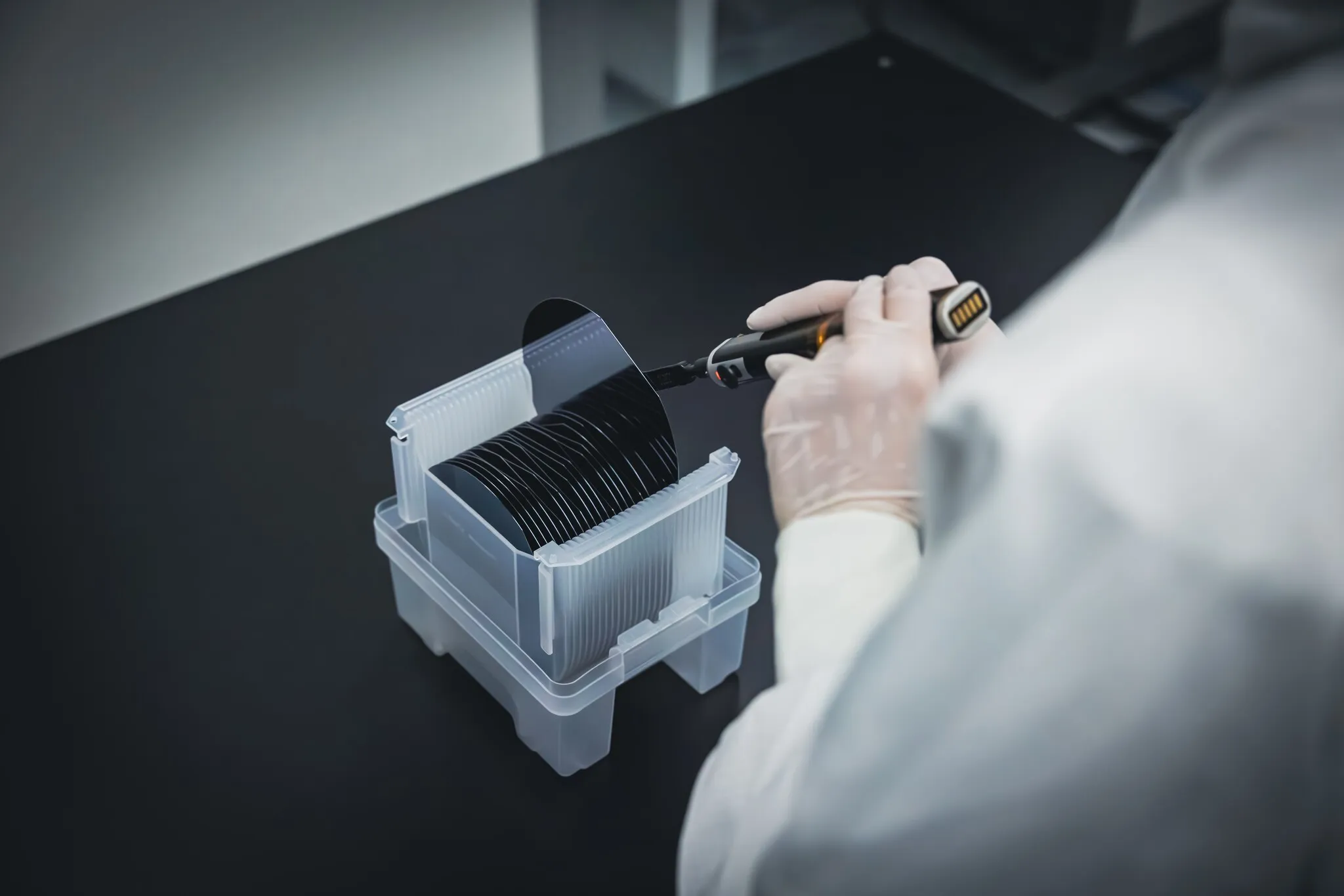
- Silicon wafer exposure for particle detection
- Particle traps for sedimenting particle measurement
Additionally, further analyses can be carried out in cooperation with external laboratories to ensure detailed evaluation and documentation of measurement results.
Surface Particle Measurement
The verification of surface contamination is a decisive factor for quality assurance in cleanrooms and sensitive production environments. We offer surface particle measurements in collaboration with external laboratories.
Wafer Exposures for Precise Particle Analysis
A proven method for assessing surface contamination is wafer exposure, which can be performed both in-house and directly at the customer's site. Particles on silicon wafers are captured and analyzed to evaluate surface cleanliness.
Particle Measurement Optimization with Camera Systems
For even more precise detection and documentation of surface contamination, the use of a high-resolution camera for particle/area measurement could be beneficial. This would enable detailed visual analysis and facilitate the identification of critical particle distributions.
Tenax Sampling
Tenax sampling is a proven method for analyzing volatile organic compounds (VOC) and chemical residues in the air. We offer on-site sampling while evaluation is performed in an external laboratory.
Total Organic Contamination (TOC)
Precise Measurement of Organic Residues
With TOC analysis, organic contamination can be reliably identified. This measurement can be performed directly at the customer's site, while evaluation is carried out by external laboratories. A future acquisition of an in-house sampling box for material testing could provide additional analysis capabilities.
Chemical Air Contamination Analysis
The chemical contamination of air in cleanrooms or production environments can significantly affect product quality. We support air quality investigation by specifically detecting and evaluating pollutants and contamination.
VOC Analysis
Determination of Volatile Organic Compounds
To monitor volatile organic compounds (VOC), we offer targeted sampling and analysis in cooperation with external laboratories. This method enables a detailed assessment of air purity and material outgassing.
Request Analytics
Contact us for precise measurement and analysis methods for your cleanroom and vacuum systems.
Get in Touch